In the ever-evolving world of automotive customization, upgrading from traditional halogen bulbs to modern Light Emitting Diodes (LEDs) is one of the most impactful changes a vehicle owner can make. This conversion isn't merely an aesthetic pursuit; it's a comprehensive upgrade that enhances visibility, safety, and efficiency. LEDs offer a whiter, brighter light, consume less power, and boast a significantly longer lifespan than their halogen or xenon predecessors. This guide will illuminate the path to a successful LED conversion for both your headlights and taillights, helping you navigate the considerations, benefits, and essential steps to light your way forward.
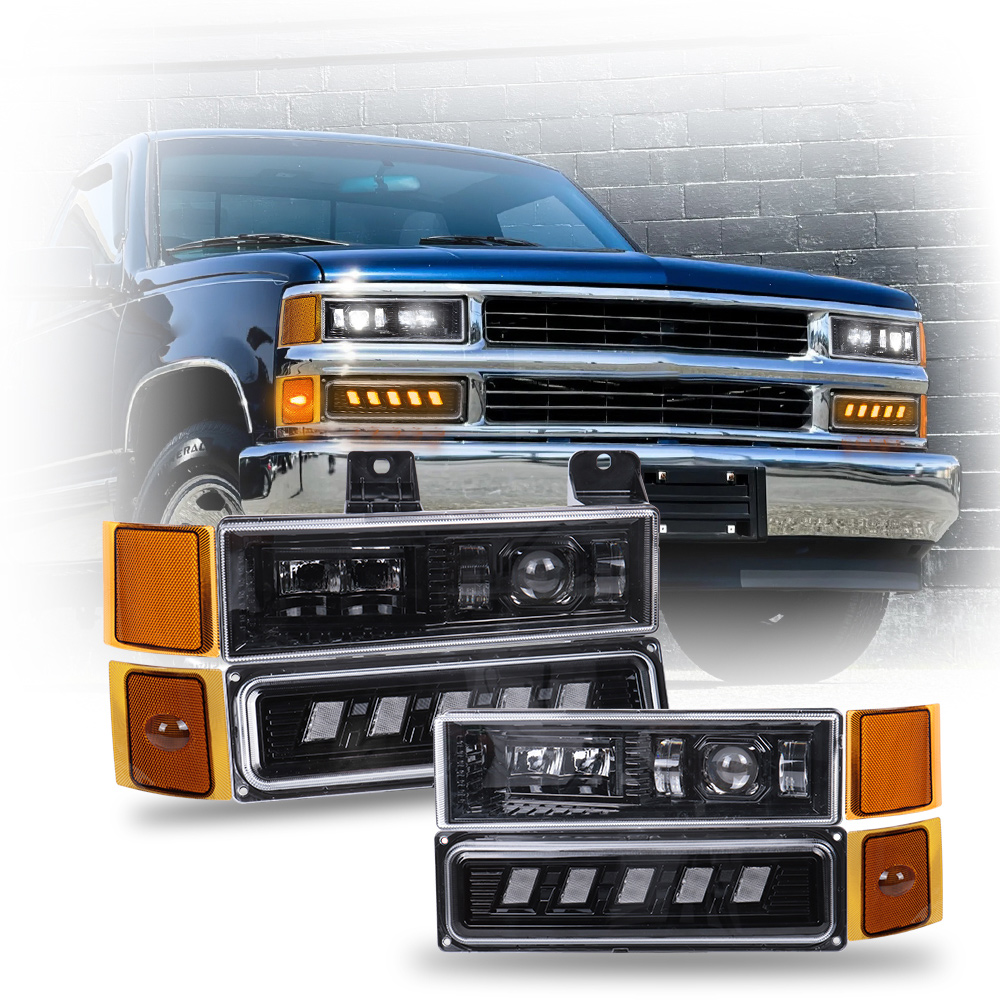
The Heart of the Upgrade: Revolutionizing Your Headlighting System
The headlight conversion is the centerpiece of this upgrade, offering the most dramatic functional improvement. Traditional halogen headlights work by heating a filament, a process that is inherently inefficient, generating more heat than light and producing a yellowish glow. 1999 Chevy C1500 LED headlights, in contrast, generate light through electroluminescence in a semiconductor. This results in instant-on, crisp, bright white light that dramatically improves nighttime visibility by illuminating road signs, markings, and potential hazards with greater clarity and at a further distance. However, a successful headlight conversion requires careful attention. Not all LED kits are created equal. Critical factors include the bulb's design—specifically the placement and orientation of the LED chips. To work effectively and safely, they must replicate the precise focal point of the original halogen filament to ensure your headlights' beam pattern remains correct. A poor-quality or improperly installed LED bulb can create dangerous glare for oncoming drivers, despite appearing brighter to you. Furthermore, many modern vehicles use a Canbus system that monitors bulb power draw. Since LEDs use less electricity, the system may interpret this as a "bulb out" error, causing hyper-flashing or dashboard warnings. Therefore, seeking out Canbus-compatible LED kits or ones that include dedicated anti-flicker resistors or decoders is often essential for a plug-and-play, error-free installation.
Completing the Package: The Taillight Transformation
While headlights guide your way forward, taillights are your critical communication link to the drivers behind you. Upgrading to LED taillights (which include brake lights, turn signals, and reverse lights) enhances safety through their instant illumination. Unlike halogens, which have a slight delay as the filament heats up, LEDs light up microseconds faster. This gives following drivers more reaction time when you brake. LED taillights are also more vibrant and distinctive, improving your vehicle's visibility in poor weather conditions like heavy rain or fog. The same Canbus considerations apply here, especially for turn signals. A quality LED conversion for your taillights will ensure consistent, bright illumination without erratic flashing. The upgrade also pays dividends in longevity and durability; LEDs are solid-state components resistant to vibrations that often cause halogen filament failure, making them ideal for the rear of the vehicle where road shocks are frequent.
Navigating the Installation and Legal Landscape
The installation process itself varies by vehicle but generally involves accessing the bulb housings from behind the headlight or taillight assemblies. It requires patience, often needing the removal of a few bolts or panels. It’s crucial to handle LED automotive bulbs by their base or wear gloves, as skin oils can damage the heat sink and reduce the bulb's lifespan. Before purchasing any kit, verify your vehicle’s bulb sizes (e.g., H7 for low beam, 1157 for brake/turn) and research reputable brands known for quality optics and proper thermal management. Most importantly, always check your local and national regulations. Laws regarding headlight color temperature (measured in Kelvins), brightness, and beam pattern are strict. Ensure any LED conversion kit you choose is DOT/SAE compliant or explicitly marked for road use to avoid fines and ensure you are not compromising the safety of yourself or others on the road.
In conclusion, an LED lighting conversion is a brilliant investment that marries form and function. By carefully selecting the right components, paying meticulous attention to proper beam pattern and compatibility, and adhering to legal standards, you can transform your vehicle's lighting from a mere necessity into a powerful asset. You'll gain not only a modern, upscale look but also the invaluable peace of mind that comes with superior illumination—lighting your way to a safer, more efficient, and more enjoyable driving experience.